


Photo Exhibition "Message to the World. The Baltic Way: Twenty Years On" opened in Tokyo
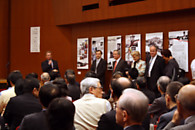
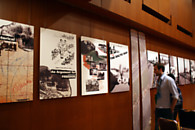
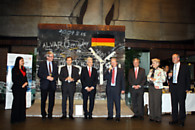
On November 9, the photo exhibition "Message to the World. The Baltic Way: Twenty Years On" was opened at Goethe-Institut in Tokyo as part of events related to the 20th anniversary of the fall of the Berlin Wall.The collapse of communism in Europe is often symbolized by the fall of the Berlin Wall.However, more than two months before the fall of the Berlin Wall (23 August 1989), another no less remarkable event took place in the then Soviet-occupied countries of Estonia, Latvia and Lithuania. Almost two million Baltic people held each others hands on the human chain which connected Vilnius to Riga and Tallinn, spanning over 600 kilometers. This peaceful demonstration was named the Baltic Way and carried a clear message to the world that Europe could not be free without the freedom of the peoples in the Baltic States. It was a triumph of democratic self-determination on the eastern shores of the Baltic Sea, and a demonstration of the power of unity and commitment to mark the 50th anniversary of the Molotov-Ribbentrop Pact which divided Eastern and Central Europe between the Soviet Union and Germany. The Berlin Wall divided people, but it was the Baltic Way which united them.It is often said that the Baltic Way sped up the process of the disintegration of the entire Soviet system. On 9 November 1989, the Berlin Wall fell, and by the end of 1989 all the Soviet satellites had gained full sovereignty. Subsequently, Lithuania declared its independence on 11 March 1990, and Latvia and Estonia followed suit.The importance of the Baltic Way is indisputable as it is one of the most significant symbols of liberation in Central and Eastern Europe. Therefore justly, on 30 July 2009, it has been added to UNESCO’s Memory of the World Register.The exhibition will be displayed at Goethe-Institut until November 15 and moved to Aoyama Gakuin University afterwards.
The collapse of communism in Europe is often symbolized by the fall of the Berlin Wall.
However, more than two months before the fall of the Berlin Wall (23 August 1989), another no less remarkable event took place in the then Soviet-occupied countries of Estonia, Latvia and Lithuania. Almost two million Baltic people held each others hands on the human chain which connected Vilnius to Riga and Tallinn, spanning over 600 kilometers. This peaceful demonstration was named the Baltic Way and carried a clear message to the world that Europe could not be free without the freedom of the peoples in the Baltic States. It was a triumph of democratic self-determination on the eastern shores of the Baltic Sea, and a demonstration of the power of unity and commitment to mark the 50th anniversary of the Molotov-Ribbentrop Pact which divided Eastern and Central Europe between the Soviet Union and Germany.
The Berlin Wall divided people, but it was the Baltic Way which united them.
It is often said that the Baltic Way sped up the process of the disintegration of the entire Soviet system. On 9 November 1989, the Berlin Wall fell, and by the end of 1989 all the Soviet satellites had gained full sovereignty. Subsequently, Lithuania declared its independence on 11 March 1990, and Latvia and Estonia followed suit.
The importance of the Baltic Way is indisputable as it is one of the most significant symbols of liberation in Central and Eastern Europe. Therefore justly, on 30 July 2009, it has been added to UNESCO’s Memory of the World Register.
The exhibition will be displayed at Goethe-Institut until November 15 and moved to Aoyama Gakuin University afterwards.


